Ayubowan! In Sri Lanka we welcome tourists with our traditional greeting ‘Ayubowan’ meaning “wishing you a long life”. The island is known for its many attractions offering a variety of experiences for travellers. Yet beyond these well-known attractions lies another side of the island that fascinates curious travellers, a collection of historic hotels, grand colonial residences, beautifully preserved gardens, and heritage estates where the past continues to live on.
From the elegant halls of Kandy’s famous Queen’s Hotel and Hotel Suisse to the timeless beauty of Lunuganga, the masterpiece garden created by renowned architect Geoffrey Bawa, these remarkable destinations offer far more than a place to stay or visit. They tell stories of kings and governors, artists and visionaries, colonial influence and cultural transformation. Every corridor, garden path, and architectural detail provides a glimpse into a different chapter of Sri Lanka’s rich and diverse history.
For international travellers seeking meaningful experiences and authentic connections with local heritage, these historic landmarks offer a unique opportunity to step back in time while exploring the island’s cultural legacy. Whether you are wandering through a centuries-old mansion, enjoying afternoon tea in a colonial hotel, or discovering the creative genius behind one of Asia’s most celebrated landscapes, each experience reveals a fascinating story waiting to be uncovered.
Join us as we explore some of Sri Lanka’s most captivating historic hotels, gardens, and heritage estates, places where every wall truly tells a story.
Table of contents
🏨 Heritage Hotels with Fascinating Stories
Queen’s Hotel, Kandy
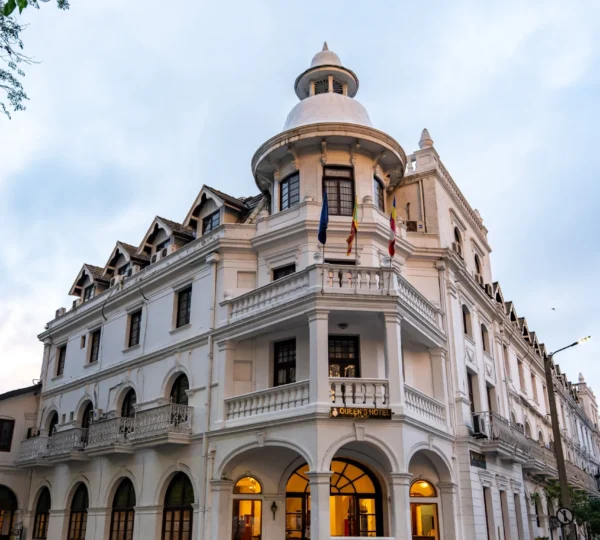
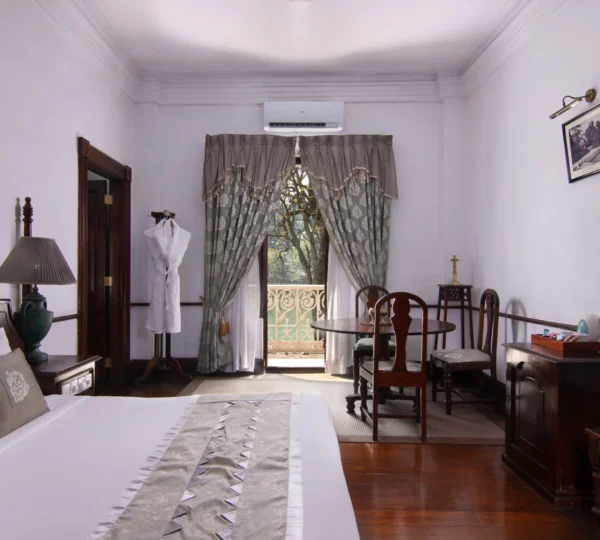
Situated in the heart of Kandy, directly opposite Kandy Lake and adjacent to the sacred Temple of the Tooth Relic, Queen’s Hotel is one of Sri Lanka’s oldest and most recognisable heritage hotels. The building’s origins trace back to the early nineteenth century, when the site was associated with the residence of the Kandyan noble family known as the Dullewe Walawwa. Following the British annexation of the Kandyan Kingdom in 1815, the property was used for various colonial purposes before eventually evolving into a hotel.
Over the decades, the building served as a governor’s residence, military quarters, and boarding house before officially becoming Queen’s Hotel in 1869. Named in honour of Queen Victoria, the hotel has welcomed generations of travellers and dignitaries while preserving much of its distinctive British colonial architecture and historic character.
Today, the hotel stands as a living reminder of Sri Lanka’s colonial past. Its grand white façade, spacious verandas, high ceilings, and period-inspired interiors transport visitors to a bygone era. Beyond its architectural appeal, the hotel’s location offers unique insight into the layered history of Kandy, where the heritage of the last Sinhalese kingdom intertwines with the legacy of British rule.
For travellers interested in history, culture, and architecture, Queen’s Hotel offers more than just accommodation. It provides an opportunity to experience a landmark that has witnessed some of the most significant chapters in Sri Lanka’s history while remaining an enduring symbol of Kandy’s rich heritage. [queenshotel.lk]
📖 Did You Know?
Before becoming Queen’s Hotel, the building served several different purposes, including a governor’s residence, military quarters for British troops, and a boarding house. In 1869, it officially became Queen’s Hotel, named in honour of Queen Victoria, and has continued welcoming travellers for more than 150 years.
One of the most remarkable aspects of Queen’s Hotel is that the site originally housed the Dullewe Walawwa, a residence of Kandyan nobility during the era of the last Sinhalese kings. Following the British annexation of the Kandyan Kingdom in 1815, the property was adapted for colonial use and later served as a residence for the Governor of Ceylon before eventually becoming a hotel. [queenshotel.lk]
Today, guests can stay in a building that has witnessed the transition from royal Kandyan rule to British colonial administration, making it one of the most historically significant hotels in Sri Lanka.
Hotel Suisse, Kandy
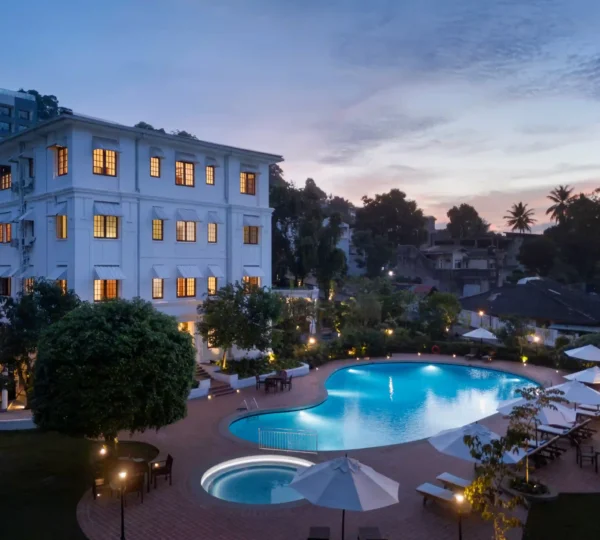
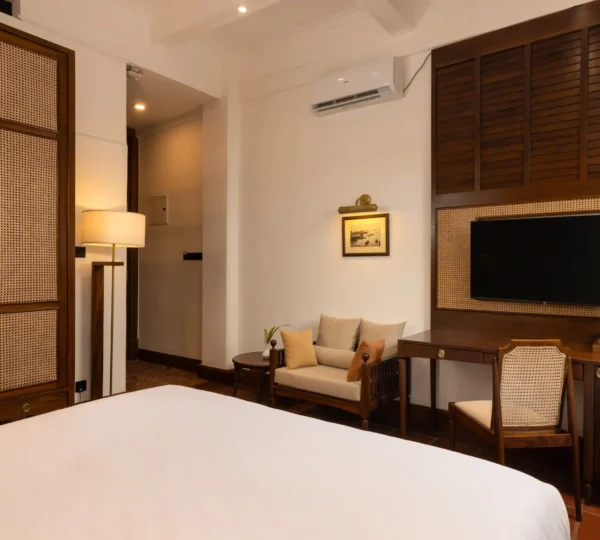
Nestled on the banks of the picturesque Kandy Lake, Hotel Suisse is one of Sri Lanka’s most distinguished heritage hotels, offering visitors an opportunity to experience centuries of history in the heart of the island’s cultural capital. The property traces its origins to the 17th century, when it served as the residence of Pilimatala Gabada Nilame, the Chief Minister of the Royal Granary of the Kandyan Kingdom. The estate was located on Migon Aramba, an area historically known as the grazing grounds of the king’s buffaloes.
Following the British takeover of the Kandyan Kingdom after the rebellion of 1817-1818, the property entered a new chapter in its history. Renamed “Haramby House,” it became a residence for British officials and later gained prominence during the colonial era. In the mid-19th century, the estate was occupied by George Wall, a pioneering figure in Ceylon’s plantation industry and the first Chairman of the Planters’ Association of Ceylon.
The property’s transformation into Hotel Suisse began when it was acquired by Madame Jeanne Louisa Burdayron, a Swiss entrepreneur who converted the historic residence into a hotel. Today, the building retains much of its colonial charm, with elegant architecture, expansive gardens, and a peaceful setting overlooking Kandy Lake.
Beyond its role as a hotel, Hotel Suisse serves as a living reminder of the many layers of Sri Lankan history, from the grandeur of the Kandyan Kingdom to the influence of the British colonial period and the rise of the plantation industry. For travellers interested in heritage, architecture, and cultural history, a visit offers a unique glimpse into the stories that have shaped Kandy over the centuries. [hotelsuisse.lk]
📖 Did you know?
One of the most intriguing chapters in the history of Hotel Suisse dates back to the Second World War. Between 1944 and 1945, the hotel served as the headquarters of the South East Asia Command under Lord Louis Mountbatten, the Supreme Allied Commander of Allied forces in the region. From Kandy’s tranquil hills, military operations across South and Southeast Asia were coordinated during a pivotal period of world history. Today, visitors can still find reminders of this remarkable legacy in the hotel’s Mountbatten Restaurant and Mountbatten Courtyard, offering a unique connection between Sri Lanka’s cultural capital and one of the most significant military campaigns of the twentieth century. [hotelsuisse.lk], [sundaytimes.lk]
This makes Hotel Suisse much more than a heritage hotel. It is a place where the stories of Kandyan royalty, the British colonial era, the plantation industry, and World War II all come together under one roof.
Galle Face Hotel, Colombo
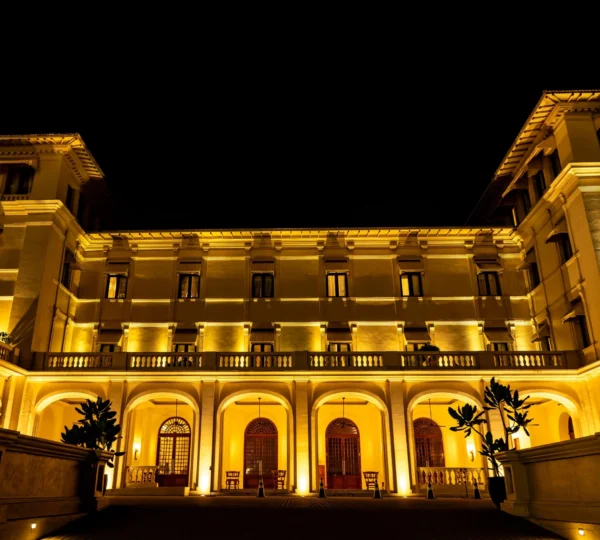
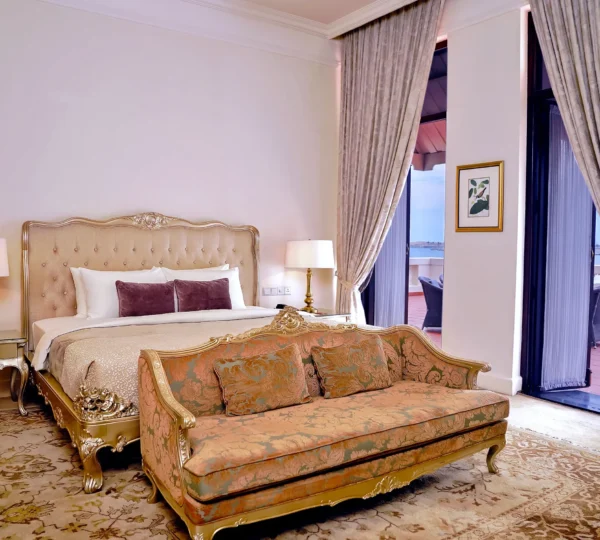
Standing proudly along Colombo’s oceanfront beside the famous Galle Face Green, Galle Face Hotel is one of Sri Lanka’s most iconic landmarks and one of the oldest hotels east of the Suez Canal. Founded in 1864 by four British entrepreneurs, the hotel began as a colonial-era gathering place and quickly became one of the most prestigious addresses in the region.
Originally built on the site of a Dutch villa known as Galle Face House, the property evolved throughout the late nineteenth century, eventually becoming a grand two-storey luxury hotel designed by architect Edward Skinner. Over the decades, the hotel welcomed royalty, statesmen, celebrities, writers, and travellers from around the world, earning a reputation as one of the finest hotels in Asia.
Today, Galle Face Hotel remains a symbol of Colombo’s rich colonial heritage while embracing modern Sri Lanka. Its elegant Victorian architecture, sweeping verandas, historic ballrooms, and uninterrupted views of the Indian Ocean provide guests with a unique glimpse into a bygone era. The hotel has been carefully restored over the years, preserving its historic character while continuing to serve as one of the country’s most celebrated hospitality landmarks.
For visitors interested in history, architecture, and culture, a stay at Galle Face Hotel offers more than luxury accommodation. It is an opportunity to experience a living piece of Sri Lanka’s past, where more than 160 years of stories, traditions, and memorable moments continue to unfold along Colombo’s historic seafront. [gallefacehotel.com]
📖 Did You Know?
By the late nineteenth century, Galle Face Hotel had gained a reputation as one of the finest hotels east of the Suez Canal. Throughout its history, it has hosted an impressive array of notable guests and remains one of Sri Lanka’s most recognised heritage landmarks. [gallefacehotel.com], [historicho…andnow.com]
A beloved daily tradition at Galle Face Hotel is its sunset ceremony overlooking the Indian Ocean. As the sun sets beside Galle Face Green, guests gather on the historic verandah to experience one of Colombo’s most memorable views, a ritual that connects the hotel’s modern visitors with generations of travellers who have enjoyed the same oceanfront setting for over a century. [culturalhe…online.com], [gallefacehotel.com]
Mount Lavinia Hotel, Colombo
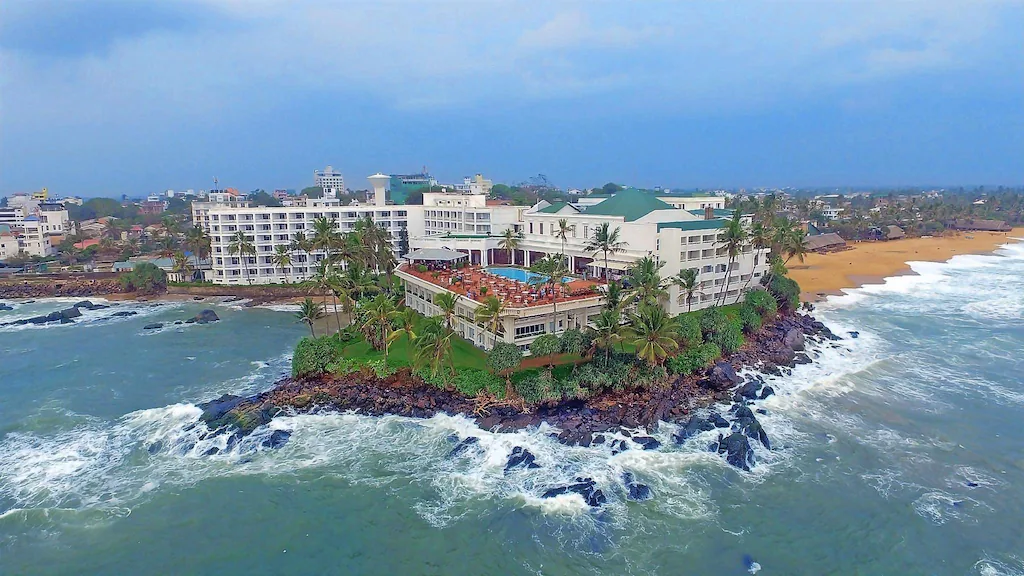

Perched on a rocky promontory overlooking the Indian Ocean, Mount Lavinia Hotel is one of Sri Lanka’s most celebrated heritage hotels and a landmark of the country’s colonial past. The property was originally constructed in 1806 as the private residence of Sir Thomas Maitland, the second British Governor of Ceylon, long before it became the seaside hotel visitors know today. It has operated continuously as a hotel since 1947 and remains one of the oldest and most iconic hospitality establishments in Sri Lanka.
The grand colonial mansion was designed as an exclusive governor’s residence, taking advantage of its elevated position and panoramic ocean views. Over the years, the property underwent several expansions and architectural improvements, evolving from a stately colonial residence into a distinguished heritage hotel while preserving much of its original character and charm.
Today, Mount Lavinia Hotel is renowned for its elegant colonial architecture, beachfront setting, and rich historical atmosphere. Guests can explore corridors, verandas, and gardens that have witnessed more than two centuries of Sri Lankan history, from the British colonial era to the modern day. Its unique combination of heritage, architecture, and seaside beauty continues to attract travellers from around the world.
For history enthusiasts, the hotel offers a fascinating glimpse into colonial Ceylon, while its location along one of Colombo’s most famous beaches makes it a memorable destination where history and coastal leisure come together.
📖 Did You Know?
The name “Mount Lavinia” is widely believed to have been inspired by Lovina Aponsuwa, whose story has become inseparable from the identity of the hotel and the surrounding suburb. According to popular tradition, the governor, Sir Thomas Maitland, fell in love with Lovina (Lavinia) Aponsuwa, a local dancer of Portuguese Sinhalese heritage and arranged for a secret tunnel to be built between his residence and her home so the pair could meet away from public attention. However, the affair would be later discovered and they would be separated. Lovinia’s fate after Maitland’s departure remains shrouded in mystery. Some accounts suggest she lived the rest of her life near Mount Lavinia, cherishing the memories of their time together. Others believe she met a tragic end as she was executed, her story carried forward only by the enduring legend of their romance. While the romance has become an important part of the hotel’s folklore, it remains one of Sri Lanka’s most famous colonial-era legends. Today, visitors not only experience one of Sri Lanka’s oldest heritage hotels but also discover a tale of romance that has been passed down for more than two centuries. [bluelankatours.com], [greenholid…ravels.com], [island.lk]
“Few hotels in Sri Lanka combine colonial grandeur, oceanfront beauty, and legendary romance quite like Mount Lavinia Hotel, where every sunset comes with a story from the island’s past.”
Grand Hotel, Nuwara Eliya
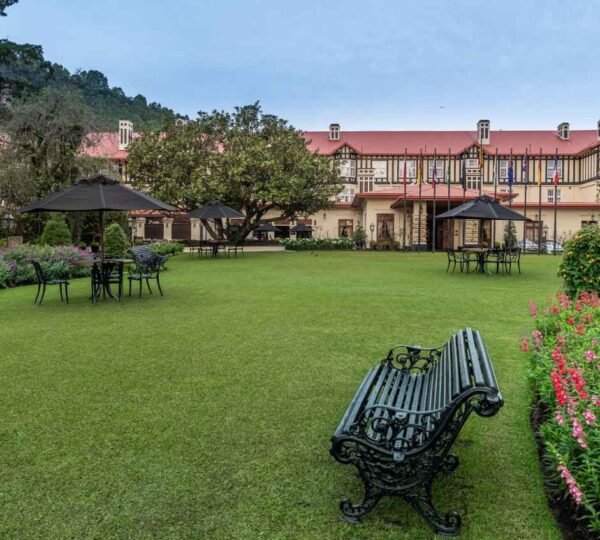
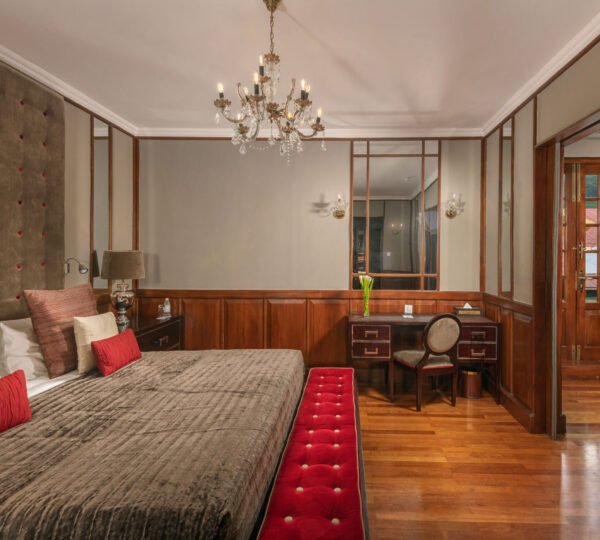
Nestled in the cool highlands of Nuwara Eliya, often referred to as “Little England,” the Grand Hotel is one of Sri Lanka’s most distinguished heritage hotels. The property began life in 1828 as Barnes Hall, the holiday residence of Sir Edward Barnes, the fifth British Governor of Ceylon. Built amidst the rolling hills of the central highlands, the stately bungalow reflected the colonial elite’s desire to recreate the atmosphere of the English countryside in tropical Ceylon.
Following Sir Edward Barnes’ departure from the island, the property changed hands and was eventually transformed into a hotel during the late nineteenth century. Over the years, additional wings and floors were added, gradually evolving the original governor’s residence into the grand Elizabethan-style manor hotel that stands today.
The hotel’s architecture, manicured gardens, and elegant interiors preserve the charm of a bygone colonial era. From its wood-panelled halls and traditional fireplaces to its carefully maintained English-style gardens, the Grand Hotel offers visitors a unique opportunity to experience the atmosphere of nineteenth-century Nuwara Eliya. Today, it remains one of the town’s most iconic landmarks and a symbol of Sri Lanka’s colonial heritage.
For travellers exploring Sri Lanka’s hill country, the Grand Hotel provides more than a luxurious stay. It offers a journey into the history of Nuwara Eliya, from its origins as a retreat for British governors and tea planters to its modern role as one of the country’s most celebrated heritage properties. [talesofceylon.com]
📖 Did You Know?
The hotel’s main restaurant is known as Barnes Hall, named after Sir Edward Barnes, whose original holiday bungalow formed the foundation of today’s Grand Hotel. Nearly two centuries later, visitors can still experience the legacy of the man who helped shape the early development of Nuwara Eliya.
Throughout its history, the Grand Hotel has hosted members of European nobility, prominent international visitors, and even Queen Elizabeth II, who stayed at the hotel during her visit to Sri Lanka in 1954. During her royal tour of Ceylon in April 1954, which included a visit to Nuwara Eliya, the Queen is recorded by the hotel and several heritage sources as having visited the Grand Hotel on Easter Sunday, enjoying a cup of Ceylon tea amidst the cool surroundings of Sri Lanka’s hill country. [trippingsrilanka.com], [facebook.com], [bookingsrilanka.com]
This long tradition of distinguished guests has cemented the hotel’s reputation as one of the most prestigious addresses in Sri Lanka’s hill country. [touringsrilanka.com]
“Once the holiday retreat of a British governor, today the Grand Hotel invites travellers to step into the elegance, charm, and history of Sri Lanka’s beloved Little England.” [talesofceylon.com]
Jetwing St. Andrew’s, Nuwara Eliya
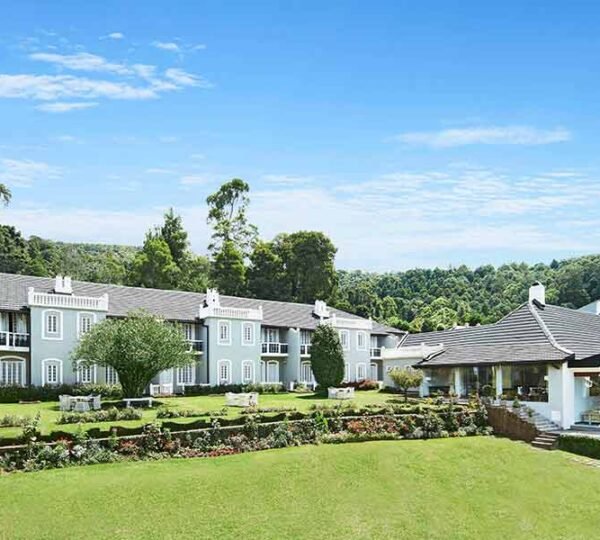
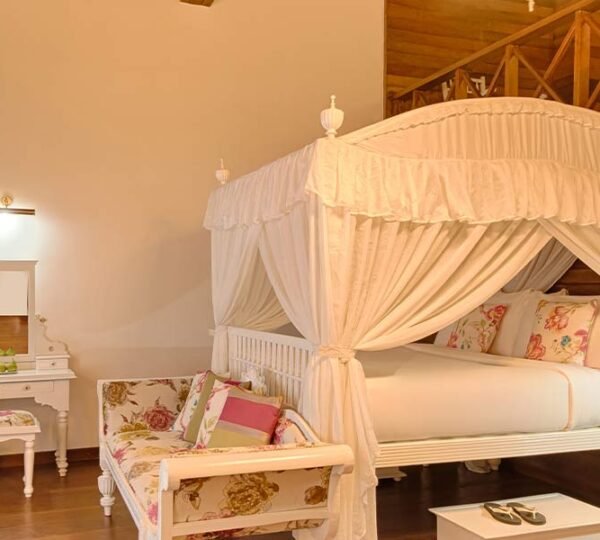
Set amidst the cool mountain climate of Nuwara Eliya, Jetwing St. Andrew’s is one of Sri Lanka’s most charming colonial-era heritage hotels. Located adjacent to the historic Nuwara Eliya Golf Club, the property traces its origins to the late nineteenth century. The first building on the estate was constructed in 1875 on land granted to a British colonial civil servant, and the property later became known as the “Scots Club” before being converted into St. Andrew’s Hotel in 1891.
The hotel’s name is believed to be linked to its Scottish heritage and its close association with the neighbouring golf course, drawing inspiration from St Andrews in Scotland, widely regarded as the historic home of golf. Throughout its long history, the property has evolved from a colonial social club into one of Nuwara Eliya’s most beloved heritage hotels, while retaining its old-world character and architectural elegance.
Today, Jetwing St. Andrew’s captures the atmosphere of a traditional British country residence. Its Tudor-style architecture, wood-panelled interiors, fireplaces, manicured gardens, and misty hill-country surroundings evoke the spirit of colonial “Little England,” the affectionate nickname given to Nuwara Eliya during the British era. [ilovene.lk]
For travellers interested in experiencing Sri Lanka’s colonial heritage, the hotel offers a unique opportunity to step back in time. Surrounded by tea plantations, golf fairways, and mountain scenery, it remains one of the finest examples of the enduring influence of British architecture and lifestyle in the island’s hill country. [jetwinghotels.com]
📖 Did You Know?
Before becoming a hotel, the property served as the Scots Club, a gathering place for members of the British community living in Sri Lanka’s hill country. In 1891, it was transformed into St. Andrew’s Hotel, beginning a hospitality tradition that continues more than a century later.
The hotel’s Scottish heritage is reflected not only in its name but also in its long-standing association with the nearby Nuwara Eliya Golf Club. Historians believe the name “St. Andrew’s” references the famous Scottish town of St Andrews, often called the birthplace of golf, making the hotel a fascinating blend of Sri Lankan hill-country charm and Scottish tradition.
“From its origins as a Scottish-inspired colonial retreat to its present-day role as a heritage hotel, Jetwing St. Andrew’s offers visitors a taste of Little England in the heart of Sri Lanka’s tea country.” [jetwinghotels.com]
Heritance Tea Factory, Nuwara Eliya
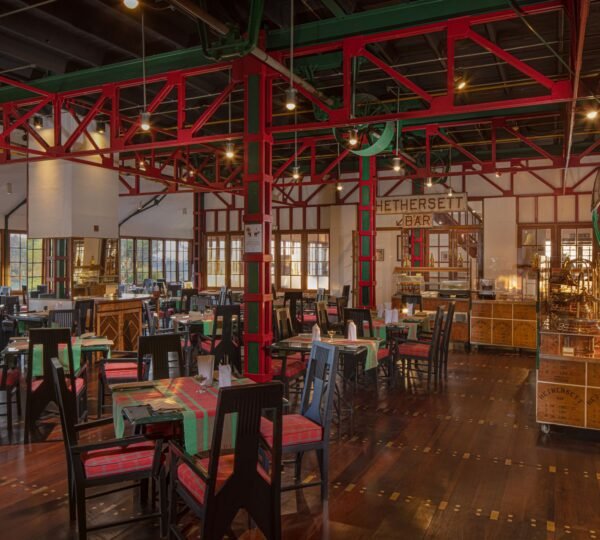
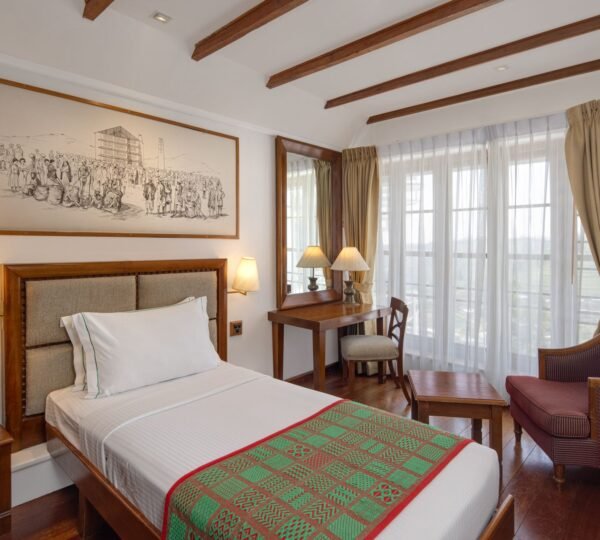
Perched more than 2,000 metres above sea level amidst the mist-covered tea estates of Kandapola, near Nuwara Eliya, Heritance Tea Factory is one of Sri Lanka’s most unique heritage hotels. Unlike traditional colonial hotels, this remarkable property was once a functioning tea factory and has been carefully transformed into a luxury hotel while preserving much of its original industrial character and historical significance.
The hotel’s story began with the former tea factory of the Hethersett Tea Estate. In 1992, the abandoned factory caught the attention of G. C. Wickremasinghe of Aitken Spence Hotels, who envisioned transforming the neglected structure into a heritage hotel. Architect Nihal Bodhinayake led the restoration, preserving many of the factory’s original features, including machinery, steel structures, and timber elements, while adapting the upper floors into guest accommodation. The hotel officially opened in 1996 and later became part of the Heritance brand.
Today, visitors can still see remnants of the tea manufacturing process throughout the property. The former lofts where tea leaves were once dried have been converted into guest rooms, while many of the original mechanical components remain on display, offering guests a fascinating insight into the history of Sri Lanka’s world-famous tea industry.
Surrounded by rolling tea plantations and breathtaking mountain scenery, Heritance Tea Factory provides an immersive experience into the island’s plantation heritage. Guests can participate in tea-plucking demonstrations, tea tasting sessions, guided estate walks, and learn how Ceylon Tea became one of Sri Lanka’s most important global exports. [heritancehotels.com], [lankahotels.info]
📖 Did You Know?
Heritance Tea Factory is widely regarded as Sri Lanka’s first theme hotel, created from a restored tea factory rather than a traditional colonial residence. The innovative preservation project received a Merit Award at the UNESCO Asia-Pacific Heritage Awards in 2001 for its contribution to heritage conservation.
One of the hotel’s most distinctive features is that many of the original factory structures and machinery remain intact. As guests walk through the property, they are effectively exploring a living museum of Sri Lanka’s tea industry while enjoying the comfort of a luxury hotel. The transformation of an abandoned tea factory into an award-winning heritage hotel is considered one of the most successful examples of adaptive reuse in Sri Lanka.
“At Heritance Tea Factory, visitors don’t just stay in the heart of Sri Lanka’s tea country; they stay inside the very history of Ceylon Tea itself.” [heritancehotels.com]
🌿 Historic Estates, Homes & Gardens
Lunuganga, Bentota
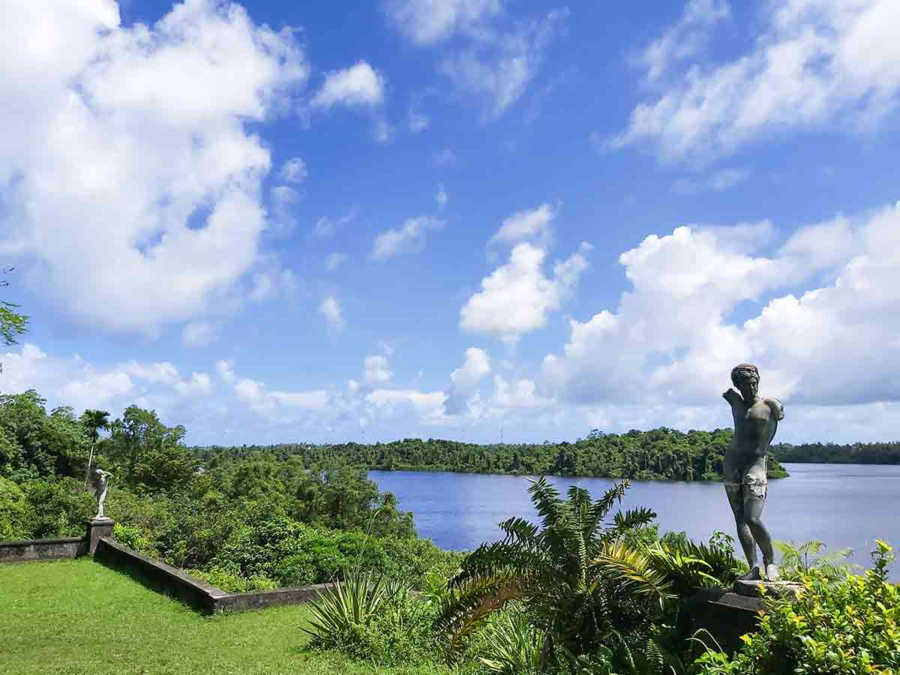
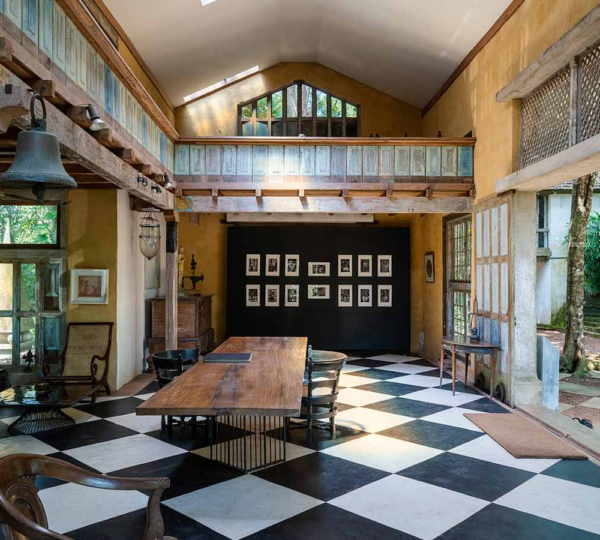
Hidden along the tranquil shores of Dedduwa Lake in Bentota, Lunuganga is one of Sri Lanka’s most celebrated landscape gardens and the former country estate of renowned Sri Lankan architect Geoffrey Bawa. The estate spans approximately 25 acres and was originally a cinnamon estate during the Dutch period before becoming a rubber plantation under British rule. In 1948, shortly after Sri Lanka gained independence, Bawa acquired the property and began transforming it into what would become his life’s masterpiece.
Over the following four decades, Geoffrey Bawa continuously shaped and refined Lunuganga, blending elements of Italian Renaissance gardens, English landscape traditions, and Sri Lanka’s natural environment into a uniquely tropical vision. The result is a series of carefully composed vistas, garden rooms, pavilions, terraces, waterways, and sculptures that seamlessly merge architecture with nature.
More than simply a garden, Lunuganga became a creative laboratory where Bawa experimented with many of the ideas that would later define his internationally recognised architectural style, known as Tropical Modernism. The estate also contains artworks and artefacts collected from across Asia and Europe, alongside works by notable artists including Donald Friend and Laki Senanayake.
Today, Lunuganga is managed by the Geoffrey Bawa Trust and remains open to visitors from around the world. It stands as one of Sri Lanka’s most important cultural and architectural landmarks, offering guests an opportunity to experience the vision of the architect widely regarded as one of Asia’s most influential designers. [geoffreybawa.com]
📖 Did You Know?
The name Lunuganga translates to “Salt River” in Sinhala. Although the estate began as a former plantation, Geoffrey Bawa spent nearly fifty years transforming it into an extraordinary landscape where every pathway, tree, and viewpoint was deliberately positioned to create a harmonious relationship between art, architecture, and nature.
Unlike most famous gardens that were completed within a few years, Lunuganga was continuously developed by Geoffrey Bawa from 1948 until his death in 2003. The estate evolved alongside his architectural career, making it both his private retreat and his most personal design project.
“More than a garden, Lunuganga is the living canvas of Geoffrey Bawa, where every path, lake view, and pavilion tells the story of Sri Lanka’s most influential architect.” [geoffreybawa.com]
Brief Garden, Bentota

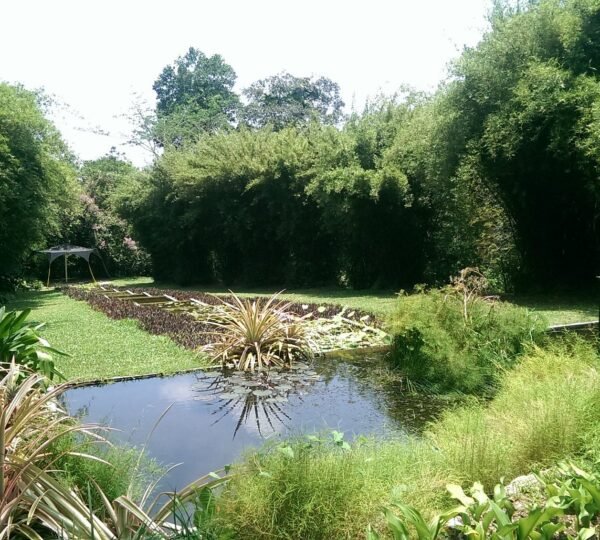
Located a short drive inland from Bentota in the village of Kalawila, Brief Garden is one of Sri Lanka’s most distinctive landscape gardens and the former home of celebrated landscape designer Bevis Bawa. The estate began as a rubber plantation inherited by Bawa in 1929, which he gradually transformed over several decades into an extraordinary garden that reflects his artistic vision and love of nature.
Named “Brief” because the land was originally purchased using funds earned by Bawa’s father from a successful legal brief, the estate evolved into a living work of art. Drawing inspiration from his extensive travels, as well as Italian and English garden traditions, Bevis Bawa created a series of interconnected garden spaces filled with tropical plants, sculptures, hidden pathways, ponds, terraces, and artistic surprises around every corner.
Over the course of more than sixty years, Bawa continuously developed and refined the garden, making it a reflection of his personality and creative imagination. Unlike formal botanical gardens, Brief Garden feels intimate and theatrical, blending art, architecture, and landscape design into a richly immersive experience. Today, it remains one of Sri Lanka’s most important cultural gardens and a testament to Bawa’s unique contribution to landscape architecture.
The garden also has strong connections to Sri Lanka’s artistic community. Throughout its history, it welcomed renowned artists, writers, and creative figures, becoming a gathering place for artistic expression and cultural exchange. Today, visitors can explore both the gardens and Bawa’s former residence, gaining insight into one of the island’s most influential creative minds. [briefgarden.com]
📖 Did You Know?
Bevis Bawa was the elder brother of renowned architect Geoffrey Bawa, the creator of nearby Lunuganga. While Geoffrey became famous for his architecture, Bevis expressed his creativity through landscape design, making Brief Garden one of Sri Lanka’s most celebrated artistic gardens.
Brief Garden was not created in a few years. Bevis Bawa worked on the garden continuously from the late 1920s until his death in 1992, shaping and reshaping the landscape for more than six decades. The result is a garden that reflects a lifetime of creativity, travel, and artistic inspiration. [lovesrilanka.org]
“Where Lunuganga reflects the genius of Geoffrey Bawa, Brief Garden reveals the artistic imagination of Bevis Bawa, a landscape masterpiece shaped over a lifetime.” [briefgarden.com]
Victoria Park, Nuwara Eliya

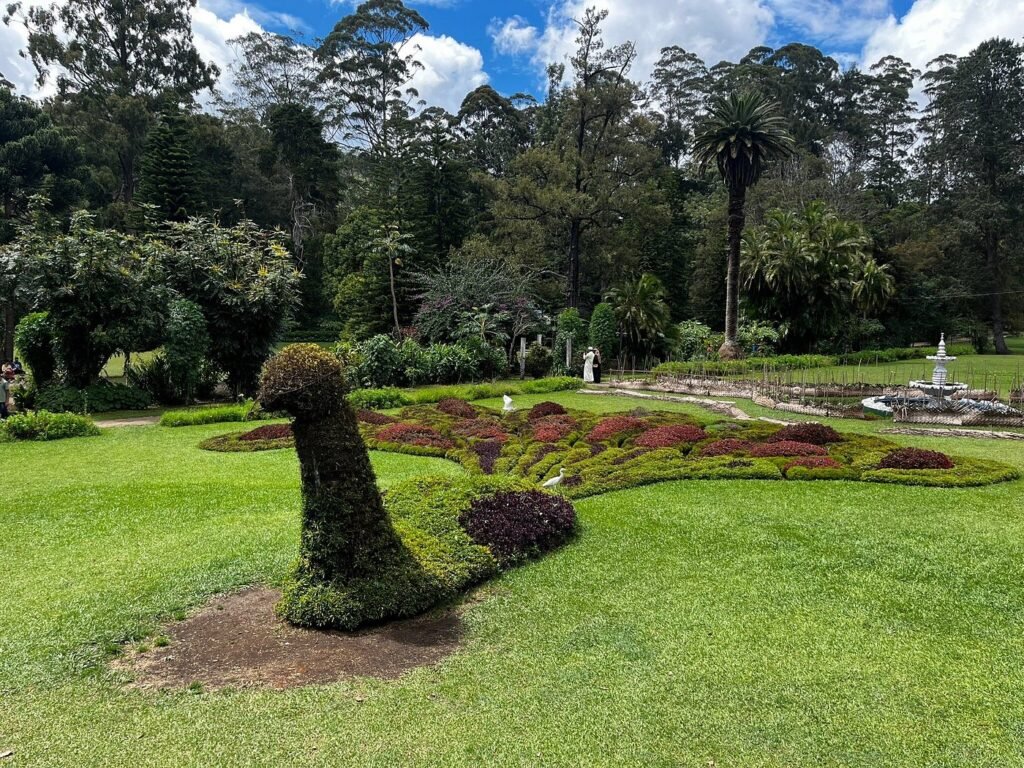
Located in the heart of Nuwara Eliya beside the town’s iconic post office, Victoria Park is one of Sri Lanka’s most attractive and historically significant public gardens. Covering approximately 27 acres, the park was originally used as a research field for the nearby Hakgala Botanical Garden before being officially established as a public park in 1897. It was named to commemorate the Diamond Jubilee of Queen Victoria, marking the 60th anniversary of her reign. [Nuwara Eli…toria Park]
Developed during the British colonial era, the park reflects the strong influence that British garden design had on Nuwara Eliya, a town often referred to as “Little England” due to its cool climate and colonial heritage. The beautifully maintained lawns, flowerbeds, tree-lined pathways, and ornamental landscapes create a peaceful retreat within the bustling hill-country town. [travelsetu.com], [travelmaps…ilanka.com]
A distinctive feature of the park is the Nanu Oya, which flows through the grounds and forms a series of small lakes and water features. Over the years, Victoria Park has also become a popular destination for birdwatchers, with several rare and migratory bird species regularly spotted among its mature trees and gardens.
Today, Victoria Park remains one of Nuwara Eliya’s most visited attractions, drawing both local and international visitors who come to enjoy its colourful floral displays, fresh mountain air, and tranquil atmosphere. It serves as both a recreational space and a living reminder of the town’s colonial history. [Nuwara Eli…toria Park]
📖 Did You Know?
The first tree planted in Victoria Park was an oak tree, planted by a visiting German princess during the park’s early years. This symbolic planting formed part of the celebrations surrounding the establishment of the park during the reign of Queen Victoria.
While many visitors admire Victoria Park for its beautiful flower gardens, its original purpose was quite different. Before becoming a public park, the area served as an experimental research field for the Hakgala Botanical Garden, one of Sri Lanka’s most important botanical institutions. [travelsetu.com]
“Named in honour of Queen Victoria and nestled in the heart of Little England, Victoria Park offers visitors a glimpse into the colonial heritage, natural beauty, and timeless charm of Nuwara Eliya.” [Nuwara Eli…toria Park]
Royal Botanic Gardens, Peradeniya
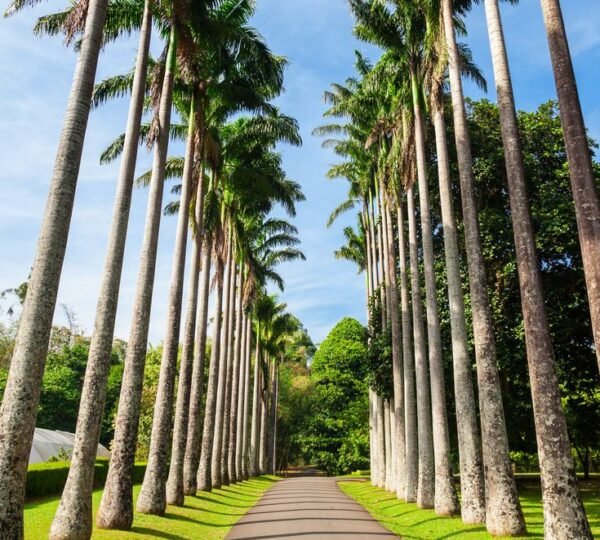
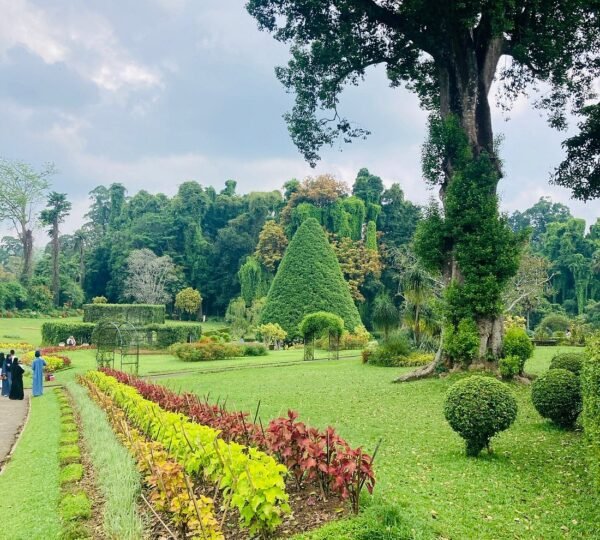
Located on a scenic peninsula formed by the Mahaweli River, approximately 5.5 kilometres west of Kandy, the Royal Botanic Gardens, Peradeniya is Sri Lanka’s largest and most famous botanical garden. Spanning around 147 acres (59 hectares), the gardens are home to more than 4,000 species of plants, including orchids, medicinal plants, spices, palms, and tropical trees from around the world.
Although the botanical garden was formally established in 1843 during the British colonial period, the site’s history stretches back much further. Historical records indicate that the area served as a royal garden and royal residence during the Kandyan Kingdom, with connections dating back to the 14th century. Following the British occupation of Kandy, botanist Alexander Moon laid the groundwork for a botanical garden in 1821, initially using the site to cultivate economically important plants such as coffee and cinnamon. [bgci.org]
Throughout the nineteenth century, the gardens became an important centre for botanical research, plant introduction, and agricultural development. Under a succession of botanists and superintendents, Peradeniya played a significant role in introducing and studying crops that would shape Sri Lanka’s agricultural economy. Today, the gardens continue to serve as a centre for conservation, education, and scientific research while welcoming visitors from around the world.
Visitors can explore some of the garden’s most famous attractions, including its renowned orchid collection, majestic palm avenues, giant tropical trees, spice gardens, and the National Herbarium of Sri Lanka. Combining natural beauty with centuries of history, the Royal Botanic Gardens, Peradeniya remains one of the country’s most treasured cultural and botanical landmarks. [en.botanic…ens.gov.lk], [britannica.com]
📖 Did You Know?
Before becoming a botanical garden, the site was associated with the royal courts of the Kandyan Kingdom. Historical records indicate that kings used Peradeniya as a royal garden and residence centuries before the establishment of the modern botanical gardens. [bgci.org]
The Royal Botanic Gardens, Peradeniya is famous for its orchid collection and palm avenues, but it also played a role in the development of Sri Lanka’s plantation economy. During the nineteenth century, the gardens served as an important centre for the introduction, cultivation, and study of economically valuable crops and plants. [britannica.com]
“From royal gardens of the Kandyan kings to one of Asia’s most celebrated botanical collections, Peradeniya offers a journey through Sri Lanka’s natural and cultural heritage.” [en.botanic…ens.gov.lk], [greatgarde…eworld.com]
Hakgala Botanical Garden, Nuwara Eliya
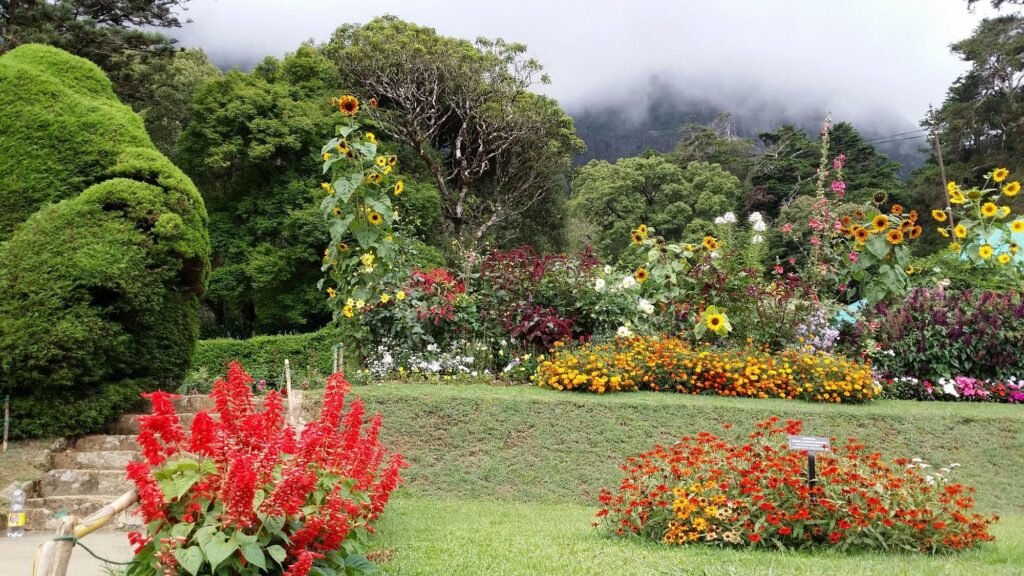
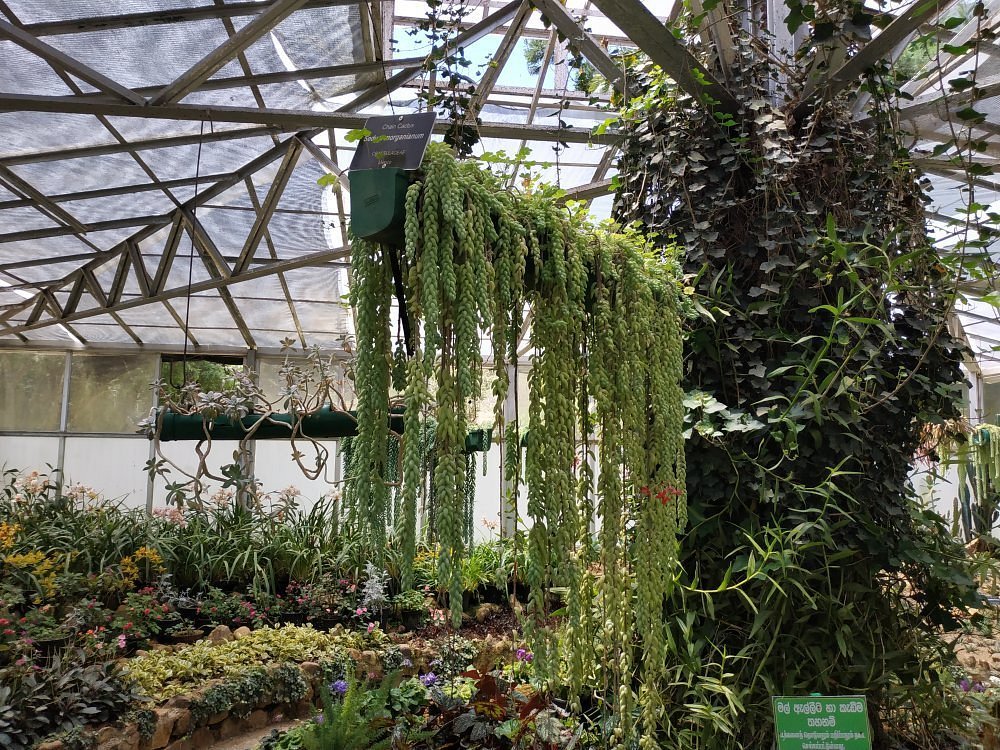
Nestled beneath the dramatic slopes of Hakgala Rock in Sri Lanka’s central highlands, Hakgala Botanical Garden is the second-largest botanical garden in the country and one of the most picturesque attractions in the Nuwara Eliya region. Established in 1861, the garden covers approximately 28 hectares and is renowned for its cool climate, colourful flower displays, and diverse collection of subtropical and temperate plant species.
The origins of the garden are closely linked to Sri Lanka’s plantation history. It was initially established under the direction of George Henry Kendrick Thwaites as an experimental site for cultivating cinchona, a valuable medicinal plant used in the production of quinine to treat malaria. As the country’s agricultural priorities evolved, the site later became associated with tea cultivation before being formally developed into a botanical garden in 1884. [ceylonexpe…itions.com]
Situated at an elevation of around 1,745 metres above sea level, Hakgala enjoys a unique highland climate that supports an impressive variety of plants from both Sri Lanka and abroad. Visitors can explore beautifully arranged terraces, rose gardens, fern collections, conifers, orchids, walking trails, and scenic viewpoints overlooking the surrounding mountains and valleys. [bgci.org]
Today, Hakgala Botanical Garden serves as an important centre for plant conservation, education, and research while remaining one of Sri Lanka’s most beloved botanical attractions. Its blend of natural beauty, colonial-era heritage, and scientific importance makes it a must-visit destination for nature lovers and history enthusiasts alike.[botanicgar…ens.gov.lk]
📖 Did You Know?
Before becoming a botanical garden, Hakgala was established as an experimental plantation for cinchona, a crop introduced by the British because of its importance in producing quinine, one of the world’s most important anti-malarial medicines at the time.
Hakgala’s history is also connected to local legend. According to the Ramayana tradition, the area is believed to have been part of the legendary Ashok Vatika, the garden where Sita was said to have been kept during her captivity by King Ravana. While this association belongs to mythology rather than documented history, it remains an important cultural connection for many visitors. [bgci.org], [ceylonexpe…itions.com]
“From a nineteenth-century experimental plantation to one of Sri Lanka’s most beautiful botanical treasures, Hakgala Botanical Garden blends history, science, and natural beauty in the heart of the hill country.” [botanicgar…ens.gov.lk]
Number 11, Colombo
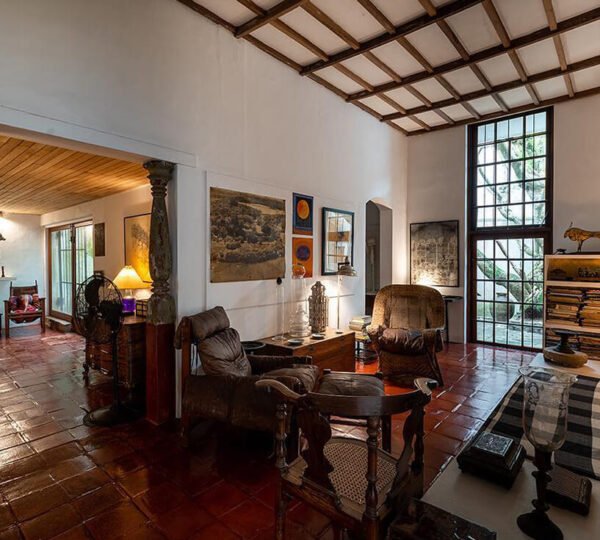
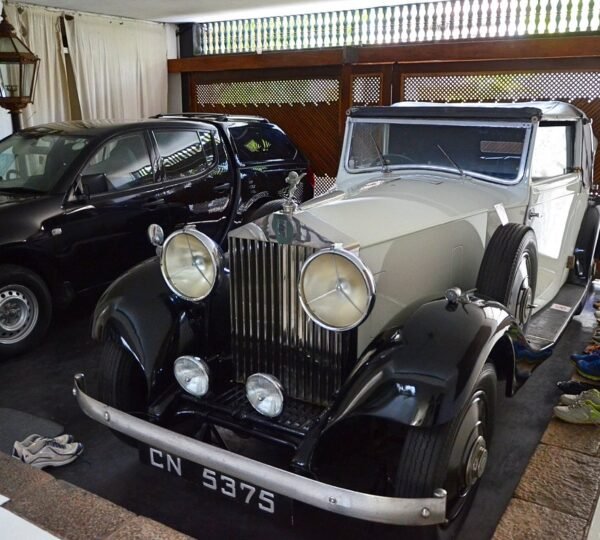
Tucked away on a quiet lane off Bagatelle Road in Colombo, Number 11 was the private residence of Sri Lanka’s most celebrated architect, Geoffrey Bawa. Today, it stands as one of the country’s most important architectural landmarks, offering visitors a rare insight into the life, creativity, and design philosophy of the pioneer of Tropical Modernism.
The property began as a single row house that Bawa rented in 1959 from Harold Peiris. Over the following decade, he gradually acquired three adjoining houses and transformed the four separate residences into a single interconnected home. The result is a unique architectural masterpiece that evolved organically over nearly forty years, reflecting Bawa’s belief that architecture should grow and adapt over time rather than follow rigid design rules. [lmd.lk]
Unlike many historic homes that remain frozen in time, Number 11 serves as a physical autobiography of Geoffrey Bawa. Visitors move through a carefully orchestrated sequence of courtyards, open-air spaces, gardens, stairways, galleries, and intimate rooms that showcase his mastery of light, space, and the seamless integration of indoor and outdoor living. The residence is widely regarded as one of the purest expressions of his architectural vision. [archeyes.com]
Today, the house is managed by the Geoffrey Bawa Trust and is accessible through guided tours. Preserved with many of Bawa’s personal collections, artworks, antiques, and furnishings intact, it offers visitors an intimate glimpse into the world of a designer whose influence continues to shape architecture across Sri Lanka and beyond. [geoffreybawa.com]
📖 Did You Know?
Number 11 was not designed and built all at once. Instead, Geoffrey Bawa continuously modified and expanded the residence between 1959 and the late 1990s, treating it as an ongoing architectural experiment. He famously described the process by saying,“It was never designed; it just happened.”
While Lunuganga in Bentota is often considered Bawa’s landscape masterpiece, Number 11 is regarded by many architects as the most complete representation of his personal design philosophy. The house demonstrates how even a dense urban residence can be transformed into a tranquil retreat through the careful use of courtyards, natural light, gardens, and spatial flow. [archeyes.com]
“More than a home, Number 11 is Geoffrey Bawa’s architectural autobiography, a living masterpiece where every courtyard, corridor, and shadow reveals the mind of Sri Lanka’s greatest architect.” [geoffreybawa.com]
🏛️ Historic Mansions & Walauwas
The Wallawwa, Kotugoda
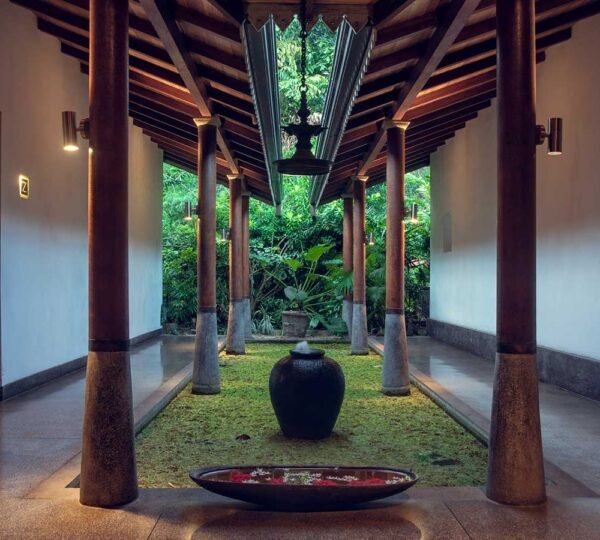
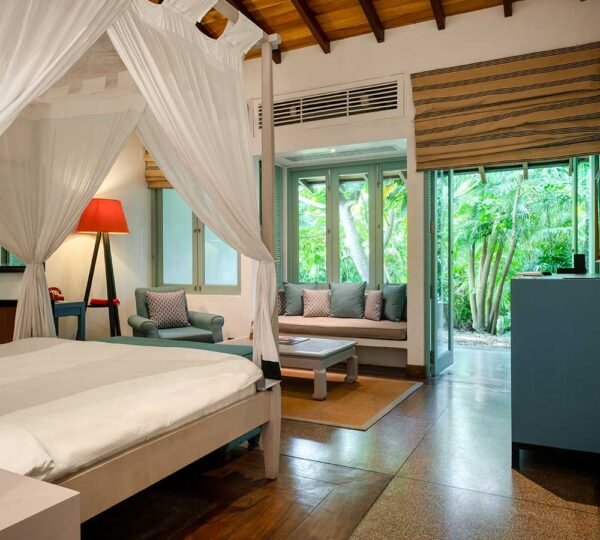
Located in the quiet village of Kotugoda, just a short distance from Colombo’s international airport, The Wallawwa is one of Sri Lanka’s finest examples of a restored manor house. The property takes its name from the Sinhala word“Walawwa”, which traditionally refers to the grand ancestral residences of aristocratic families, local chieftains, and prominent landowners during the Kandyan and colonial periods. These manor houses served not only as family homes but also as centres of administration, culture, and social prestige.
The Wallawwa itself is believed to be over 200 years old and has been carefully restored to preserve its historic character while adapting it for modern hospitality. Set within beautifully landscaped tropical gardens, the property retains many of the architectural features traditionally associated with Sri Lankan manor houses, including spacious verandas, high ceilings, and elegant open living spaces that reflect centuries of local and colonial influence.
Unlike many heritage properties that are closely tied to a single historical figure, The Wallawwa offers visitors an opportunity to experience an architectural tradition that once played a significant role in Sri Lanka’s social and cultural history. Its carefully preserved design provides insight into the lifestyle of the island’s landed families during the colonial era, while its tranquil setting showcases the enduring appeal of Sri Lankan manor-house architecture. [govigama.org]
Today, The Wallawwa stands as a successful example of heritage preservation, blending old-world elegance with contemporary comfort. For travellers interested in architecture, history, and cultural heritage, it offers a peaceful retreat that reflects a lesser-known but important aspect of Sri Lanka’s past. [teardrop-hotels.com]
📖 Did You Know?
The term“Walawwa” refers to the traditional manor houses of Sri Lanka’s aristocratic and administrative elite. These residences often featured central courtyards, expansive verandas, intricately carved woodwork, and a blend of indigenous, Dutch, and British architectural influences.
While many visitors use The Wallawwa as a luxurious stopover near the airport, the property also provides a rare opportunity to experience a style of aristocratic Sri Lankan architecture that has become increasingly uncommon. Its restoration has helped preserve an important part of the island’s architectural heritage for future generations. [teardrop-hotels.com], [govigama.org]
“More than a boutique hotel, The Wallawwa is a window into Sri Lanka’s aristocratic past, where centuries-old manor house traditions meet contemporary luxury.”
Richmond Castle, Kalutara
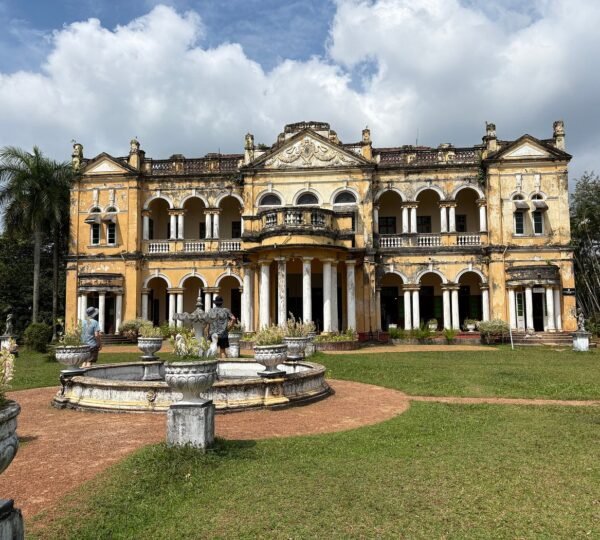
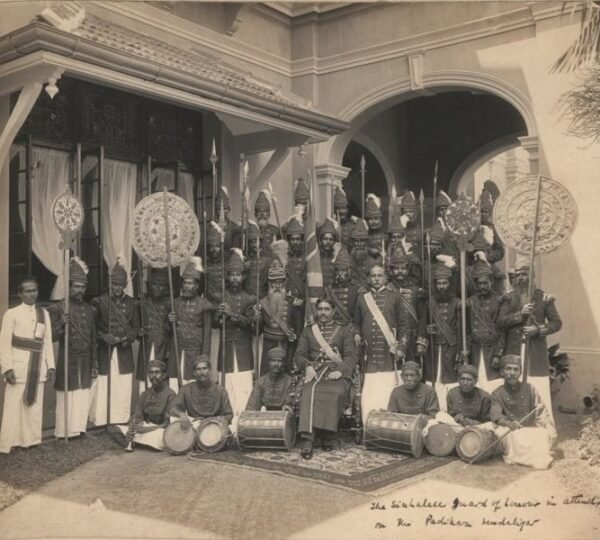
Perched on a hill overlooking the Kalu Ganga River near Kalutara, Richmond Castle is one of Sri Lanka’s most impressive colonial-era mansions. Built between 1900 and 1910, this grand Edwardian residence was the country home of Mudaliyar Don Arthur de Silva Wijesinghe Siriwardena, a wealthy landowner, philanthropist, and one of the most influential figures in the region during the British colonial period.
The mansion was inspired by a palace owned by Raja Rajeswara Sethupathi, the Raja of Ramnad in India, whom Siriwardena befriended during his studies abroad. Determined to create a residence of similar grandeur in Sri Lanka, he commissioned what would become one of the island’s finest architectural landmarks. [travelkalutara.com]
Set within a 42-acre estate, Richmond Castle showcases a remarkable blend of Edwardian architecture and local craftsmanship. The two-storey mansion features 99 doors and 34 windows, while many of its materials were imported from overseas, including Italian floor tiles, Burmese teak for the grand staircase, Scottish stained glass, and decorative fixtures from England. These details reflect both the wealth of its owner and the international influences that shaped colonial Ceylon.
Today, Richmond Castle is managed by the Public Trustee Department of Sri Lanka and remains open to visitors. Surrounded by manicured gardens and historic grounds, it offers a fascinating glimpse into the lifestyle of Sri Lanka’s colonial-era elite and stands as one of the country’s most beautiful heritage attractions.
📖 Did You Know?
Richmond Castle contains an extraordinary 99 doors and 34 windows, making it one of the most architecturally distinctive mansions in Sri Lanka. Many of the original imported materials and decorative elements remain intact more than a century after its construction.
One of the most poignant aspects of Richmond Castle’s history is that Don Arthur de Silva Wijesinghe Siriwardena and his wife were unable to have children. Before his death in 1947, he bequeathed his estate to the Public Trustee with the wish that the property would serve a public purpose. The castle later came under the care of the Public Trustee Department and remains an important heritage site today.
“A symbol of ambition, elegance, and legacy, Richmond Castle transports visitors to an era when Sri Lanka’s aristocratic elite built some of the island’s most extraordinary residences.” [srilankatr…elguide.lk]
Fort Bazaar, Galle
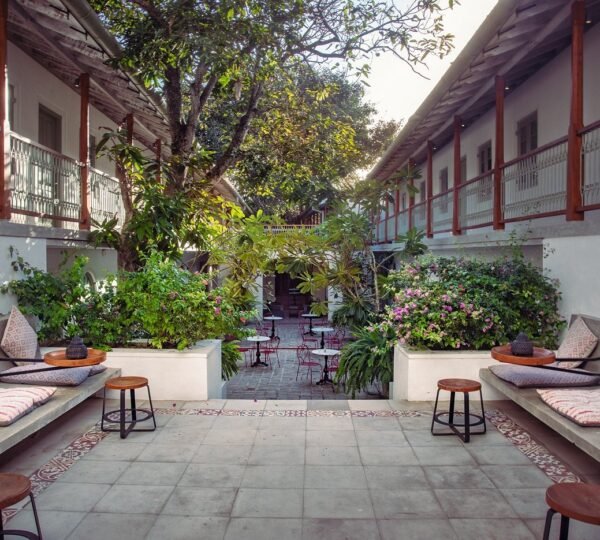
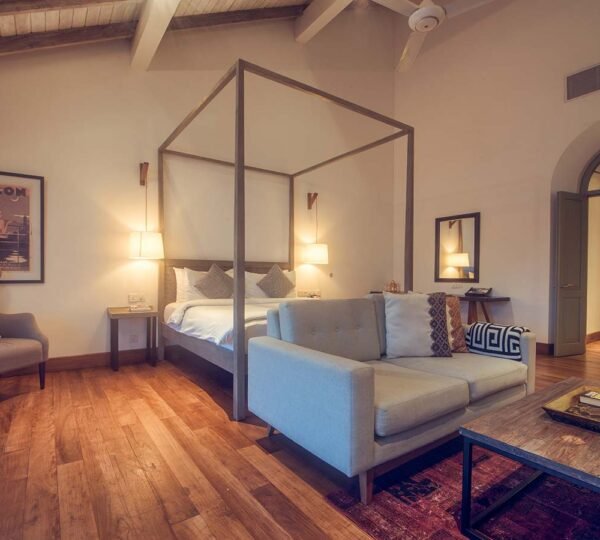
Located in the heart of the UNESCO World Heritage-listed Galle Fort, Fort Bazaar is a beautifully restored boutique hotel that offers visitors a unique opportunity to experience the layered history of one of Sri Lanka’s most important colonial landmarks. The property occupies a historic merchant’s residence on Church Street and was originally associated with the fort’s thriving trading community, reflecting Galle’s long-standing role as a hub for international commerce and maritime exchange. [
Before its transformation into a luxury hotel, the building served as a spice merchant’s home and later passed through various uses over the centuries. Following an extensive restoration project, the property was carefully revived while preserving many of its original architectural features, including traditional arches, courtyards, and historic structural elements that reflect the multicultural influences found throughout Galle Fort. [teardrop-hotels.com]
Today, Fort Bazaar combines contemporary comfort with the character of a historic trading house. Built around a central courtyard, the hotel reflects the diverse heritage of Galle Fort, where Portuguese, Dutch, British, Moorish, and Sri Lankan communities all contributed to the fort’s unique architectural and cultural identity over several centuries. [thepursuitof.com.au]
Its location allows visitors to easily explore the cobbled streets, historic churches, museums, colonial-era buildings, cafés, galleries, and fortifications that make Galle Fort one of Sri Lanka’s most significant cultural attractions. As a result, Fort Bazaar serves not only as accommodation but also as a gateway to understanding the rich heritage of this remarkable fortified city. [galleforts…ilanka.com], [luxceylon.com]
📖 Did You Know?
Fort Bazaar occupies a restored merchant’s residence within Galle Fort, which is recognized as a UNESCO World Heritage Site and is often described as one of the best-preserved colonial fortifications in Asia. The building itself was once a spice merchant’s home, reflecting Galle’s importance in the historic spice trade. [silkwaycey…ntours.com]
Unlike many heritage hotels that stand apart from their surroundings, Fort Bazaar is located within what has been described as Asia’s only living fort, where people continue to live, work, worship, and conduct business within centuries-old fortifications. Staying here allows visitors to become part of the daily life of a historic city rather than simply observing it from afar.
“Once a merchant’s residence at the crossroads of global trade, Fort Bazaar invites travellers to experience the living history, culture, and architectural heritage of Galle Fort.” [teardrop-hotels.com], [luxceylon.com]
Adisham Monastery, Haputale


Hidden amidst the mist-covered hills of Haputale and bordering the Thangamale Nature Reserve, Adisham Monastery, also known as Adisham Hall, is one of Sri Lanka’s finest examples of colonial-era country house architecture. Originally built between 1927 and 1931 by Sir Thomas Lister Villiers, a British planter and former chairman of George Steuart & Co., the residence was designed in the Tudor and Jacobean styles by architects R. Booth and F. Webster.
Set at an elevation of approximately 1,500 metres (5,000 feet) above sea level, the mansion was created as a luxurious country retreat inspired by traditional English manor houses. Its stone walls, steep roofs, elegant interiors, and carefully landscaped gardens reflect the tastes and lifestyle of Sri Lanka’s colonial plantation era. [travelwithuma.com]
Following several changes in ownership, the property was eventually donated to the Benedictine Order in 1963 and transformed into the Monastery of Saint Benedict. Today, the building functions as an active monastery while preserving much of its original architecture, furnishings, and atmosphere. Visitors are welcome to explore selected areas of the property, including its gardens, library, and public rooms, while respecting its continuing religious role.
Surrounded by forests, tea estates, and mountain scenery, Adisham Monastery offers a unique blend of history, architecture, spirituality, and nature. It remains one of the most peaceful heritage attractions in Sri Lanka’s hill country and provides visitors with a glimpse into both the island’s colonial past and its monastic traditions. [safariinsrilanka.com], [ceylonfolk.com]
📖 Did You Know?
Adisham Hall was built by Sir Thomas Lister Villiers, a descendant of the Dukes of Bedford and grandson of Lord John Russell, who twice served as Prime Minister of the United Kingdom.
Although originally constructed as a private country residence, Adisham has functioned as a Benedictine monastery since the 1960s. Visitors today can experience a rare combination of colonial architecture and living monastic heritage within the same property.
“From an English-inspired manor in the clouds to a peaceful Benedictine monastery, Adisham stands as one of Sri Lanka’s most enchanting blends of colonial heritage and spiritual tranquillity.” [ceylonfolk.com]
Ehelepola Walawwa, Kandy
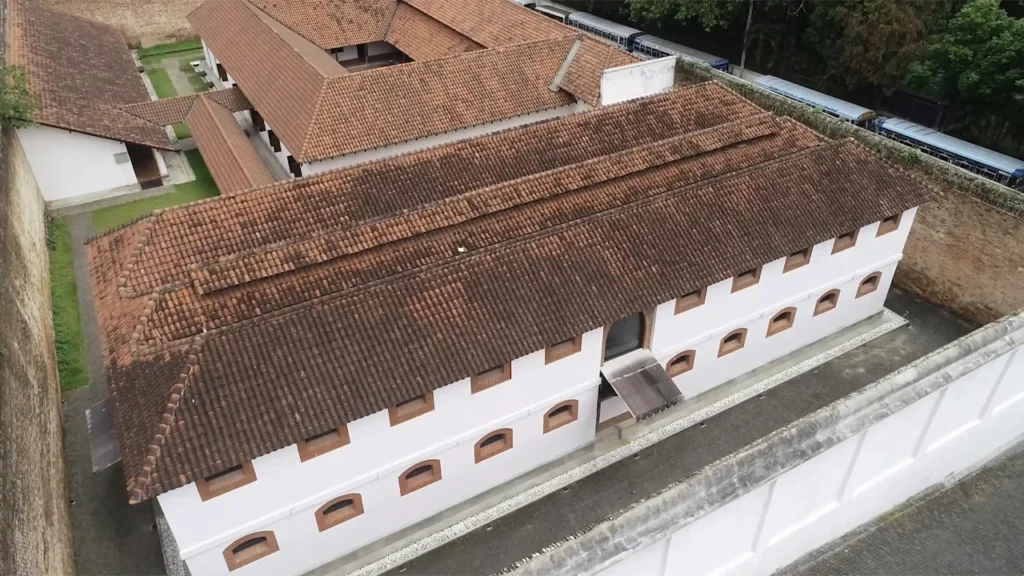

Located in the heart of Kandy, Ehelepola Walawwa is one of the most historically significant aristocratic residences from the Kandyan Kingdom. Built in the early nineteenth century, the walawwa was the ancestral home of Ehelepola Nilame, one of the most powerful nobles of the Kandyan court and the First Adigar (Chief Minister) under King Sri Vikrama Rajasinha, the last king of Kandy.
The walawwa occupies a unique place in Sri Lankan history due to its connection with the dramatic events that led to the fall of the Kandyan Kingdom. Following a dispute between Ehelepola Nilame and the king, Ehelepola fled to British-controlled territory. In retaliation, the king ordered the execution of Ehelepola’s wife and children, an event that remains one of the most tragic and widely remembered episodes in Sri Lankan history. These events contributed to growing opposition against the king and ultimately played a role in the British annexation of the Kandyan Kingdom in 1815. [silktrails.lk]
Following the British takeover, the building entered a new chapter of its history. After the Uva Rebellion of 1818, the British used the walawwa to imprison Kandyan chiefs, nobles, and Buddhist leaders who opposed colonial rule. The building later became part of the Bogambara Prison complex and continued serving correctional purposes for many decades. [amazinglanka.com]
Today, Ehelepola Walawwa is recognised as an important heritage monument and forms part of Kandy’s rich cultural landscape. As one of the few surviving noble residences from the Kandyan era, it offers valuable insight into the architecture, politics, and social life of Sri Lanka’s last independent kingdom. [lakpura.com]
📖 Did You Know?
After the British annexed Kandy in 1815, Ehelepola Walawwa was converted into a prison where many prominent Kandyan leaders involved in resistance movements were detained before their execution or exile. [amazinglanka.com]
Few historic buildings in Sri Lanka are so closely tied to the fall of a kingdom. The story of Ehelepola Nilame and the tragic fate of his family remains one of the most influential events remembered from the final years of the Kandyan Kingdom, making Ehelepola Walawwa a powerful symbol of a turning point in Sri Lankan history.
“More than a noble residence, Ehelepola Walawwa stands as a silent witness to the final days of the Kandyan Kingdom, bearing the legacy of power, tragedy, and the birth of a new era in Sri Lankan history.” [silktrails.lk]
Helga’s Folly, Kandy

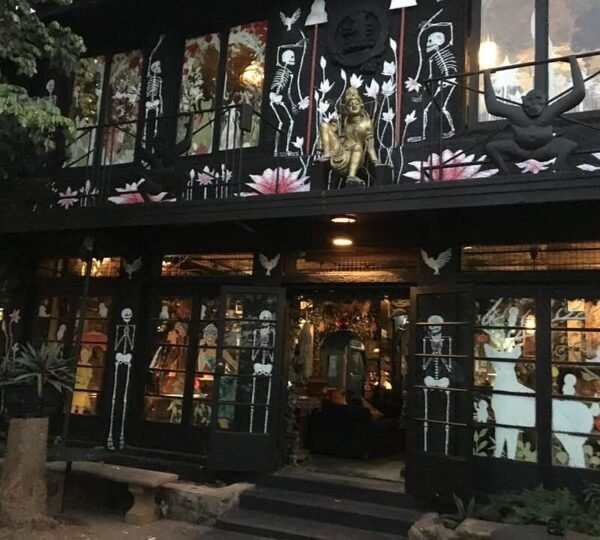
Nestled in the hills overlooking Kandy, Helga’s Folly is one of Sri Lanka’s most unusual and distinctive heritage properties. Originally built as a family residence in the 1930s, the mansion was designed by Esme de Silva and later evolved into a boutique hotel under the ownership of her daughter, Helga de Silva Blow Perera. Today, the property is internationally known for its extraordinary interiors, colourful murals, antiques, and eclectic artistic style.
The house is closely associated with one of Kandy’s most prominent families. Helga de Silva Blow Perera, who inherited the property from her parents, transformed it into what she famously describes as an “anti-hotel.” Over the years, the mansion became a living canvas, filled with hand-painted walls, sculptures, family heirlooms, and artworks that reflect both personal expression and Sri Lanka’s cultural heritage. [lankapradeepa.com]
Beyond its artistic atmosphere, Helga’s Folly possesses significant historical connections. The house has welcomed an impressive list of notable visitors over the decades, including Mahatma Gandhi, Jawaharlal Nehru, Gregory Peck, Peter Finch, Laurence Olivier, and Vivien Leigh. These visits have contributed to the property’s reputation as one of Sri Lanka’s most fascinating and unconventional heritage residences. [themorning.lk]
Today, Helga’s Folly remains a unique blend of family history, art, architecture, and hospitality. Unlike traditional heritage hotels that focus on preserving a single historical period, Helga’s Folly offers visitors a deeply personal and creative interpretation of Sri Lanka’s colonial-era legacy, making it one of Kandy’s most memorable cultural landmarks. [iam.lk], [helgasfolly.com]
📖 Did You Know?
Helga’s Folly began life as a private family home before becoming a hotel. The property’s striking artistic transformation was largely the work of Helga de Silva Blow Perera, who gradually covered its walls and ceilings with murals and decorative artwork, creating the immersive environment visitors see today. [themorning.lk]
One of the most notable figures connected to the property’s history is Minette de Silva, a pioneering Sri Lankan architect who is widely recognised as the first Asian woman to become an Associate of the Royal Institute of British Architects (RIBA). Sources note her connection to the house and its development over the years. [lankapradeepa.com]
“Part heritage mansion, part art gallery, and part living autobiography, Helga’s Folly offers one of the most colourful and unconventional journeys into Sri Lanka’s cultural history.” [iam.lk], [helgasfolly.com]
Want to explore these unique attractions? Book an unforgetable experience in Sri Lanka with us!
Lion Peak Experiences